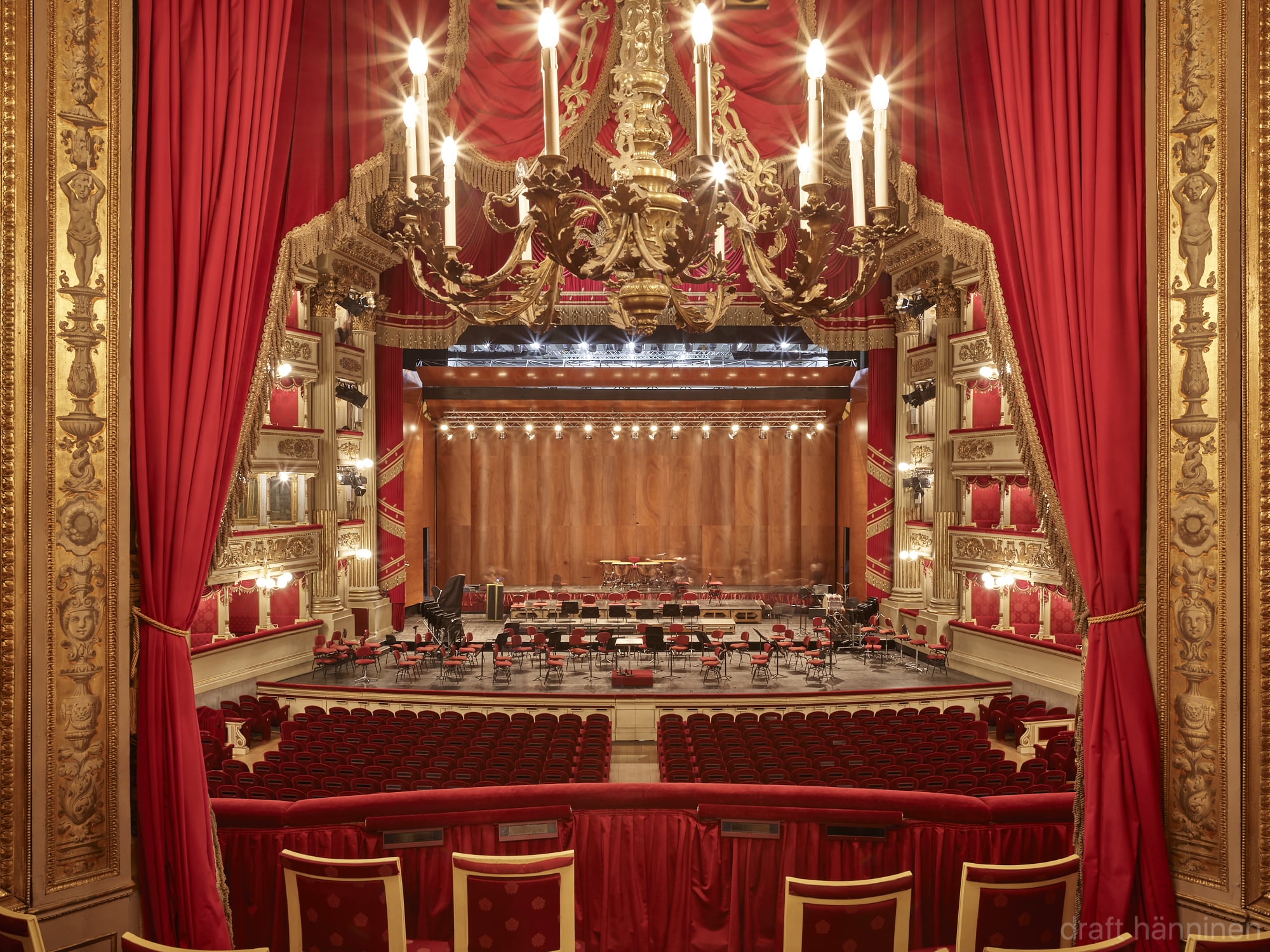
The lights dim, the first chord sounds, and the music reaches you before you have understood a word. That is opera's pull, and its invitation. There is always more happening on the stage than any of us catches, and the more you learn to notice, the m
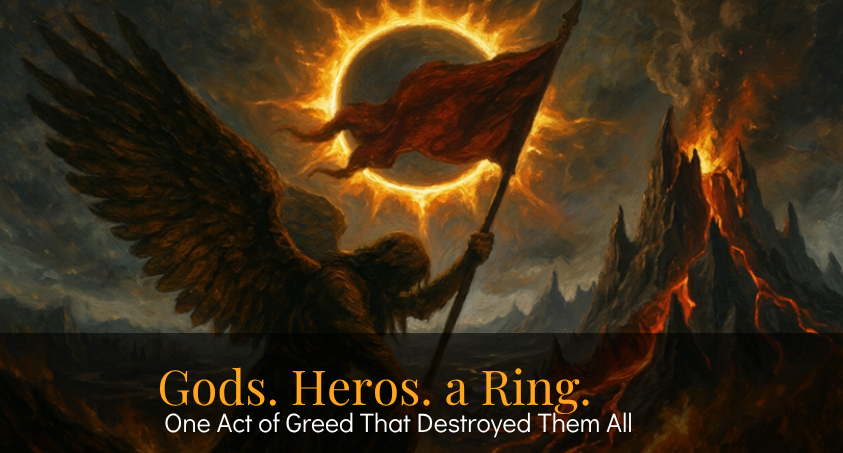
For many first-time listeners, the name Richard Wagner may initially evoke awe, curiosity, and perhaps a hint of hesitation. His operas are famously long, his stories mythic and layered, and his reputation as a revolutionary artist larger than life. The i
Richard Wagner was more than a composer - he was a force of nature who reshaped the very idea of what opera could be. Born in Leipzig in 1813, Wagner defied convention at every turn, fusing myth, music, poetry, and staging into something unprecedented.
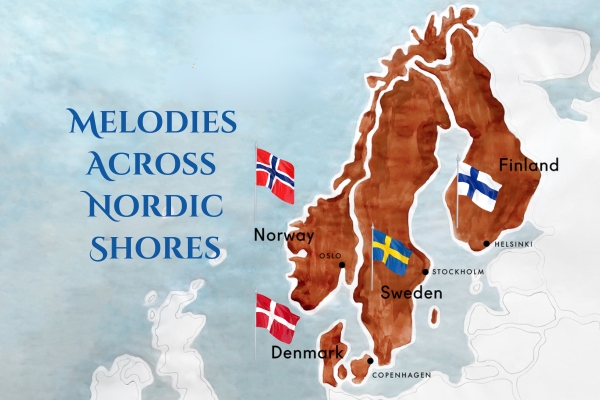
A Cultural Journey Through Time Opera has been esteemed as a significant art form in Scandinavia for many years. It is characterized by the intricate integration of classical traditions with innovative contemporary performances.
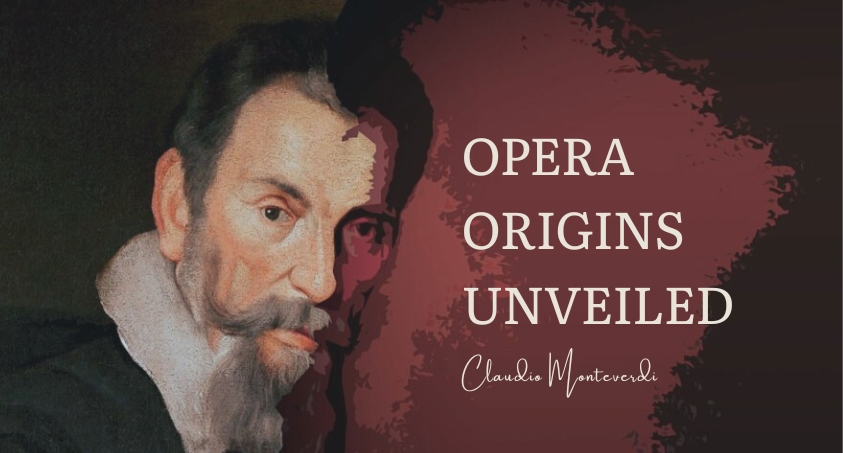
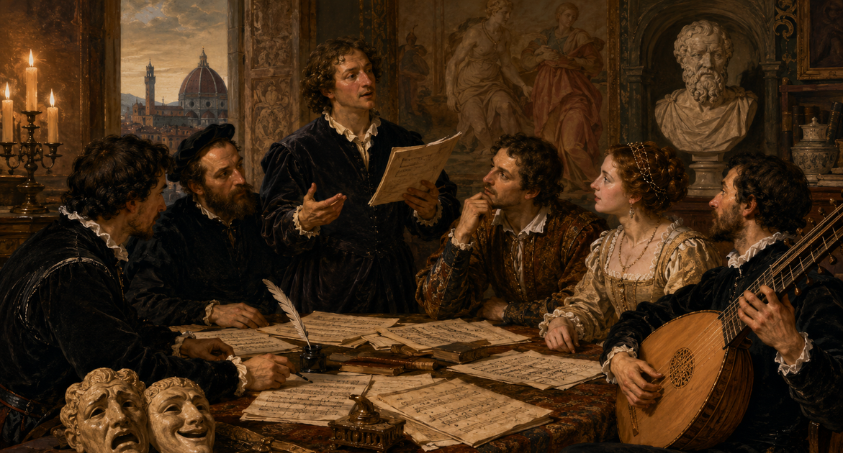
The Renaissance was a period of profound transformation that ushered in a new era of creativity and expression. Among its many artistic innovations, opera stands out as a unique fusion of music, drama, and visual spectacle.
Opera, a dramatic art form combining music, singing, acting, and often dance, has captivated audiences for centuries. This guide aims to simplify opera's essential terms and concepts, making it accessible and engaging for beginners.
Opera, a dramatic art form that seamlessly combines music, singing, acting, and often dance, has captivated audiences for over four centuries. This grand spectacle has evolved alongside changes in musical styles, cultural tastes, and artistic innovations.