A European Opera Tours feature based on a conversation with Margie Satinsky, President, Triangle Wagner Society.
The lights dim, the first chord sounds, and the music reaches you before you have understood a word. That is opera's pull, and its invitation. There is always more happening on the stage than any of us catches, and the more you learn to notice, the more each performance gives back.
We believe that a deeper understanding of opera makes experiencing it even more rewarding. By sharing perspectives from people who have spent years studying, teaching, and experiencing this art form, we hope to bring our community new insights and deepen their appreciation of the music we love.
Margie Satinsky has spent more than a decade teaching people to hear opera more deeply. She has also traveled with us through more than one Ring cycle. We spoke with her about the way she listens, what she notices, and why even a familiar opera can still surprise us.
Here are the highlights of our conversation.
Margie Satinsky is President of Triangle Wagner Society and has taught opera appreciation since 2012. At first, she taught in person through the Osher Lifelong Learning Institute (OLLI) at Duke University. When the pandemic arrived in 2020, she moved her courses online, a change she calls a blessing in disguise. The online courses and recordings of each class allow opera lovers everywhere to participate, regardless of where they live. Guests from the opera world who could never have found the time to travel can now share their stories. Margie not only teaches independently. She teaches for the Explorers program at Salem State College in Massachusetts, for Reform Congregation Keneseth Israel in Philadelphia, and retains her connection to OLLI at Duke, offering talks before performances by North Carolina Opera.
Margie breaks down operas, mostly those on the year's Metropolitan Opera Live in HD calendar, their history and the vocalists who have sung the principal roles, the story context, and musical form. She provides examples of the main music themes and advises on what to look for and listen to during a performance. Her classes are comprehensive and provide a greater appreciation of each opera before watching or listening to it. Larry, North Carolina
Margie's love of opera took root early. At summer camp she sang tunes she would only later recognize as operatic arias. At home her family gathered around the Metropolitan Opera's Saturday afternoon radio broadcasts. Her first live performance was La Traviata at the Met, and she has followed the music ever since, into opera houses across the United States and Europe.
Opera has many layers. It is many arts at once: music, singing, staging, costume, and drama arriving together. The more you understand how all the pieces fit together, the more you notice. No matter how many times I have seen a particular opera, I come away with a new perspective.
Take Die Meistersinger von Nurnberg. Hans Sachs, the wise cobbler, mentors the young knight Walther and urges him to find his own voice rather than follow every rule. Sachs can also be read as a reflection of Wagner himself. Seen that way, a scene about a song contest becomes a quiet argument about how art moves forward.
Or take Mozart's Cosi fan tutte. On the surface, it asks whether two couples will stay faithful. Underneath, it also gives us something to notice about class. Despina, the maid, ranks below the sisters she serves, yet she is the one dispensing worldly advice. Notice her, and the comedy sharpens.
My method is simple.
Before you go, do your homework. Read a synopsis, listen to some of the music, and learn a little about the composer and the world in which the opera takes place.
Next, set aside all of what you just learned and experience the performance in front of you.
Listen to the orchestra as well as the singers. Watch how the staging changes your understanding of a character. Notice who holds power in a scene, and when that power shifts. Pay attention to musical ideas or gestures that send a message.
You do not need to catch everything.
Afterward, return to what you read and read it again. It will often mean more the second time, because now you have heard and watched the performance.
No matter how well you know a work, a live performance can still catch you off guard. Hearing it alongside others who love it can change what you carry home.
Not long ago I traveled to Berlin with European Opera Tours to hear the Ring cycle. I lean toward traditional productions, and I doubted that a new and, in places, puzzling staging would win me over.
It did.
I found myself moved by choices I had expected to resist.
What made the week richer was the company. Between performances, we compared what we had seen, disagreed warmly about our impressions, and noticed things none of us would have caught alone.
That is the part that sometimes surprises people.
You come for the music, and you leave with a room full of fellow listeners who each heard it their own way.
Perhaps listening to opera is partly about that too: not trying to understand everything at once, but remaining open to what the music, the production, and even another listener may reveal.
For readers who would like to explore Margie Satinsky's opera appreciation work further, information about her independent courses and programs is available at www.margiesatinskyopera.com
Our thanks to Margie for sharing her knowledge, experience, and passion for opera, and for the conversations that continue long after the curtain comes down.
If you would like to hear opera live and in good company, that is what we do. You can see where European Opera Tours is heading next or join our list to stay connected with our latest journeys and offerings.
The lights dim, the first chord sounds, and the music reaches you before you have understood a word. That is opera's pull, and its invitation. There is always more happening on the stage than any of us catches, and the more you learn to notice, the m
August 20, 2026

For many first-time listeners, the name Richard Wagner may initially evoke awe, curiosity, and perhaps a hint of hesitation. His operas are famously long, his stories mythic and layered, and his reputation as a revolutionary artist larger than life. The i
September 22, 2025

Richard Wagner was more than a composer - he was a force of nature who reshaped the very idea of what opera could be. Born in Leipzig in 1813, Wagner defied convention at every turn, fusing myth, music, poetry, and staging into something unprecedented.
September 19, 2025
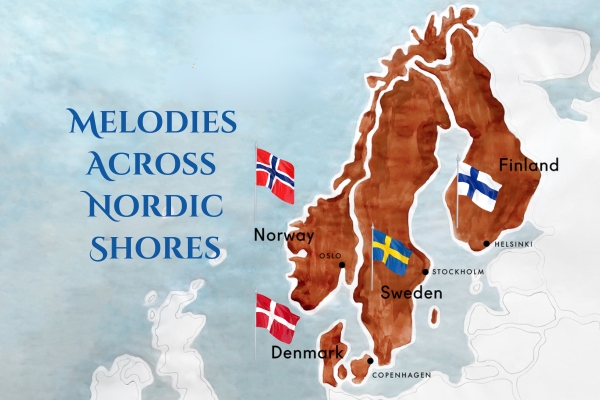
A Cultural Journey Through Time Opera has been esteemed as a significant art form in Scandinavia for many years. It is characterized by the intricate integration of classical traditions with innovative contemporary performances.
December 27, 2024
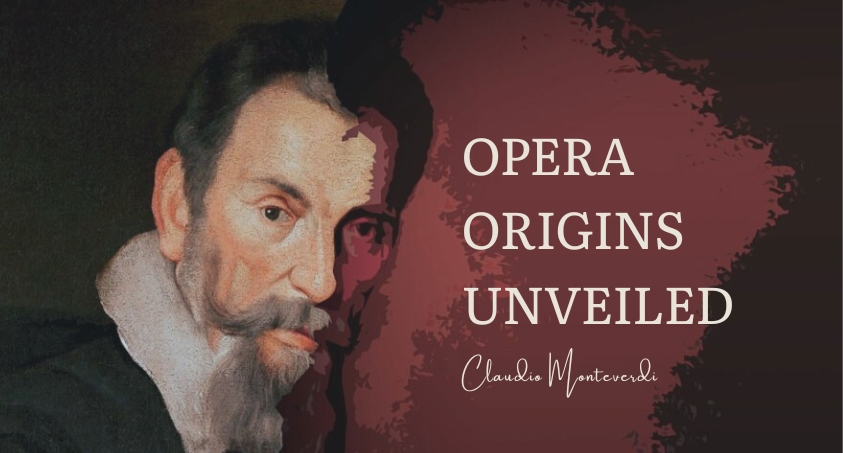
The Renaissance was a period of profound transformation that ushered in a new era of creativity and expression. Among its many artistic innovations, opera stands out as a unique fusion of music, drama, and visual spectacle.
September 05, 2024